By Russell Rúa
MIAMI – Many artists gradually shaped reggaeton in Puerto Rico during the 1990s, when this musical genre faced discrimination and censorship from radio stations, record stores, performance venues, and even some of the island’s legislators.
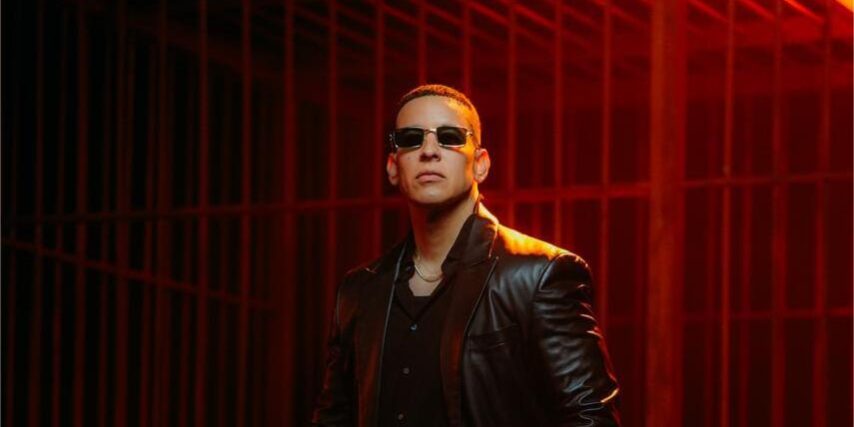
One of them was Ramón Luis Ayala Rodríguez, known as Daddy Yankee, who, like his peers, wrote and performed from the perspective and reality of marginalized communities in Puerto Rico, where poverty and violence continue to leave their mark on residents. It was an uncomfortable reality that many preferred to sweep under the rug.
But the performers of the urban genre that was eventually dubbed reggaeton refused to be silenced.
From the neighborhoods of Las Lomas and Villa Kennedy in San Juan, the capital of Puerto Rico, Daddy Yankee was one of those pioneers who began forging reggaeton in the underground scene, long before it broke into the mainstream, became a global phenomenon, and rose to become the most-consumed Latin music genre worldwide.
Daddy Yankee was precisely the first major star to take reggaeton to stages across the globe. His legendary third album, “Barrio Fino” (2004), along with its iconic lead single, “Gasolina,” marked a turning point in the history of reggaeton.
“Barrio Fino” peaked at number 1 on Billboard’s Top Latin Albums and charted inside the prestigious Billboard 200. Meanwhile, “Gasolina” was heard in every corner of the globe and broke into the highly competitive Billboard Hot 100.
At a time when other Hispanic artists were releasing albums in English to conquer the global market, Daddy Yankee made the crossover in Spanish and singing about his culture, a historic feat that opened the doors for today’s Latino talents to build international careers in their own language.
Following the phenomenon of “Barrio Fino,” came the albums “El Cartel: The Big Boss,” “Mundial,” “Prestige,” “Legendaddy,” and “Lamento en Baile,” which solidified Daddy Yankee’s legacy with more hit songs such as “Lo Que Pasó, Pasó,” “Rompe,” “Impacto,” “Ella Me Levantó,” “Pose,” “Lovumba,” “Limbo,” “Shaky Shaky,” “Dura,” and “Con Calma.”
Daddy Yankee, also known by his nicknames “The Big Boss” and “El Cangri,” was part of the monumental 2017 hit “Despacito,” which he recorded with fellow Puerto Rican Luis Fonsi. This single, which the duo co-wrote with Panamanian artist Erika Ender, became one of the most recognizable songs in the history of Latin music and spent 16 weeks at number one on the Billboard Hot 100. Once again, Puerto Rican music and culture were in the center of the conversation worldwide.
For all his achievements throughout his three-decade career, it was announced that Daddy Yankee, also known as The King of Reggaeton, will be honored as the 2026 Latin Recording Academy Person of the Year. The artist will receive the recognition during a private gala to be held in Las Vegas on November 11, as part of Latin Grammy Week.
“This recognition from The Latin Recording Academy is a dream come true. It means a lot because it represents more than just a successful career; it’s recognition of years of discipline, struggle, faith and commitment to our culture,” said Daddy Yankee. “Receiving something like this is to honor Puerto Rico, to honor all Latinos, and specifically to that entire generation that believed in our music when no one else understood it.”
Mayna Nevárez, Daddy Yankee’s publicist and CEO of Nevarez Communications, expressed her pride in the singer’s great achievement. “Daddy Yankee transformed music and brought our culture to the world. Working alongside him has been an honor. Seeing him named Person of the Year, and the first urban artist to receive the honor, confirms the impact of his legacy,” she said.